The Complete Guide to Tiny Home Costs in Australia (2026)
When you start looking into the cost of a tiny home in Australia, the prices jump all over the place — from $50k to well over $150k. As a tiny home builder who’s delivered countless custom homes, we see the same questions come up again and again: What does a tiny home actually cost? What drives the price? And what should I budget for beyond the build itself?
This guide breaks down the real numbers, the hidden costs people often forget, and whether a tiny home makes financial sense, whether you’re planning to live in it or add one to your property as a luxury rental or Airbnb.
How Much Does a Tiny Home Cost in Australia in 2026?
Tiny homes in Australia generally sit anywhere between $100,000 and $200,000+. The wide range comes down to size, materials, level of finish, and whether you’re paying for a fully custom build or choosing something more basic.
From what we see as builders, most people end up in the $150,000–$200,000 range once they choose a layout, sort out site requirements, and add the things that make a tiny home comfortable year-round (proper insulation, quality windows, storage, good joinery, decent appliances, etc.).
If you’ve seen $50k tiny homes advertised, you can usually assume these have very minimal finishes, limited storage, entry-level materials, or a DIY approach. If you want something built to last, feel spacious, and work as a long-term home or Airbnb, the realistic budget is higher.
The best way to think about it is this:
A tiny home costs less than a house, but it’s still a home, not just a shed on wheels. Quality, safety, and proper construction matter, and they’re what push most builds into that $110k+ range. As a builder, we see most clients fall in this range once their layout, land, and intended use are clear.
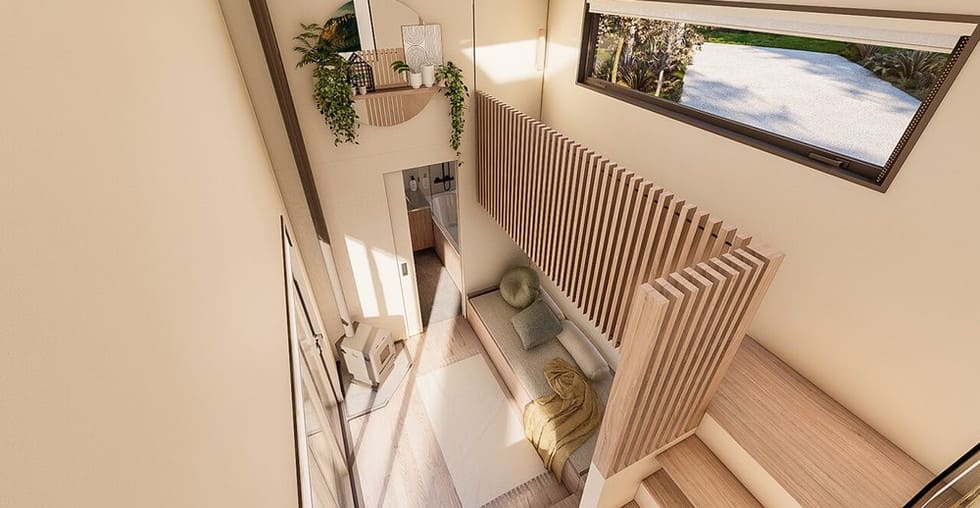
What Factors Drive the Price of a Tiny Home? (Size, Materials, Site Works & More)
Every tiny home is different, and the final price simply comes down to the choices you make (the size, the layout, the finishes you like, and how you plan to use it). The good news is: you have control. You can keep things simple, or you can add features that make the home feel more like a long-term living space or a high-earning Airbnb.
Here are the main things that shape the cost:
1. Size & Layout
Tiny homes come in different lengths and floorplan styles.
More space gives you more flexibility with storage, bedrooms, and living areas, but we can also design clever layouts that feel open without making the trailer longer. It’s all about finding the right balance for how you want to live.
2. Materials & Level of Finish
This is where your tiny home really becomes yours.
Some people prefer a simple, clean fit-out to keep the budget tight. Others want higher-end Tiny Homes that use things like:
- quality windows and glazing
- proper insulation
- hardwood or premium flooring
- custom joinery
- better appliances
If you want your tiny home to feel like an actual home, not a caravan, this is where your money goes.
None of these choices are “right or wrong”, they just help shape the overall look, feel, and durability of the home.
3. Off-Grid vs On-Grid Setup
Solar, batteries, water tanks and greywater systems give you freedom and flexibility, especially on rural properties. You can add as much or as little as you need depending on your land and lifestyle.
Some clients love full off-grid. Others prefer a simple plug-in setup. You choose what suits your property and budget.
4. Site Works & Access
Every property is different. Some are flat and easy to access, others may need a simple pad or a bit of prep before delivery.
Think factors like:
- sloped or rocky land
- long driveways
- difficult crane access
- trenching for water/power
- levelling or preparing a pad
This doesn’t have to be complicated. Most of the time, we can give you clear guidance once we understand your land and where the home will sit.
5. Custom Design & Engineering
Whether you choose a ready-to-build model or want a custom layout, the cost scales with the level of personalisation.
If you already have a vision, we help shape that into something functional, comfortable, and aligned with your budget.
If you’re unsure which direction suits your land, lifestyle, or budget, we can walk you through the options and give you a clear idea of what your build would look like.
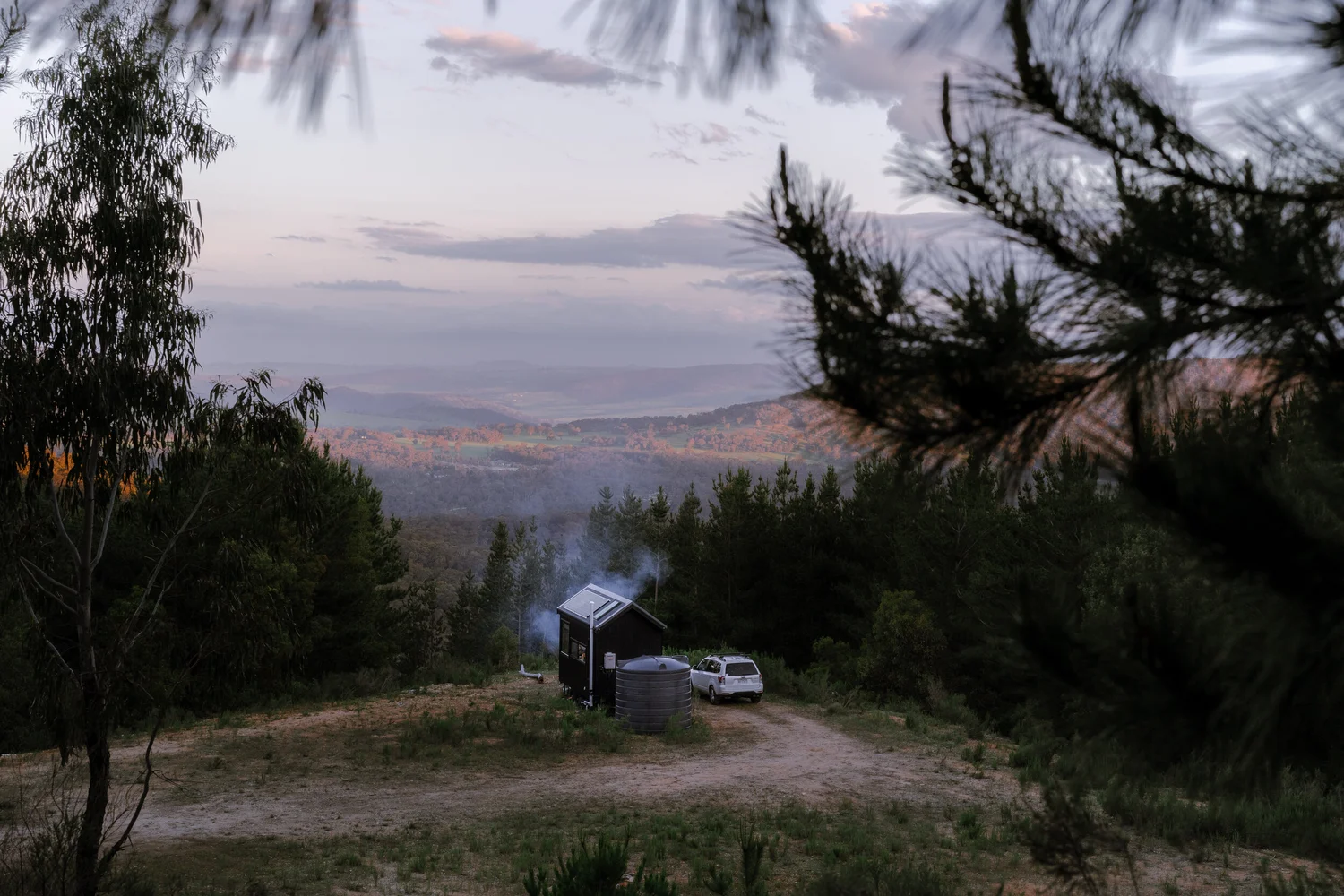
Hidden & Ongoing Costs: Leasing Land, Utilities, Delivery & Maintenance
Tiny homes are known for being more affordable than a traditional build, but there are a few extra costs worth understanding so you can budget properly. None of these are ‘unexpected extras’, they’re just the practical things that come with placing a new home on your land.
Here’s what to keep in mind:
1. Delivery & Placement
Delivery costs vary depending on how far the home needs to travel and how easy it is to access your site.
For most properties, it’s a straightforward truck delivery. For tighter or sloped blocks, we might use a small crane or tow option. Once we know your location, we can give you a clear estimate upfront so there are no surprises.
2. Site Preparation
Most tiny homes need a simple, level pad or clear space to sit on. Nothing overly engineered or complex. Some sites need a little more work (clearing shrubs, levelling ground, small retaining adjustments), but we’ll walk you through what your land needs and what it doesn’t.
3. Connecting to Utilities
If you’re going on-grid, this includes things like:
- water connection
- power
- greywater
- plumbing
This varies from property to property, but once we understand your setup we can outline exactly what’s required. If you prefer an off-grid setup (solar, tanks, composting toilet), these systems come with their own costs but also reduce your ongoing bills.
4. Ongoing Living Costs
The great news: tiny homes are cheaper to run than a standard house. Smaller spaces = lower heating/cooling costs and less maintenance overall.
If the tiny home is used as a rental or Airbnb, ongoing costs are often offset by the income it generates.
5. Land Leasing (if applicable)
For people placing a tiny home on rented land or in a rural community, weekly land-lease fees can apply.
If the home is on your own property, you can ignore this completely.
Most of these costs are quick for us to estimate once we know your property and how you plan to use the home. A five-minute chat and a look at your land usually clears everything up.
Is a Tiny Home a Good Investment? Comparing Cost vs Renting or Traditional Housing
Whether a tiny home is a good investment comes down to how you plan to use it: living in it, adding extra space to your property, or turning it into a rental or Airbnb.
The short answer? For many people, it makes financial sense because the upfront cost is far lower than a traditional build, and the ongoing costs are much lighter.
Here’s how most people think about the return:
1. Living in Your Tiny Home
If you’re comparing a tiny home to renting or taking on a big mortgage, the numbers can be very different. You’re paying for one build instead of 30 years of repayments or annual rent increases. And because tiny homes are cheaper to run, your ongoing expenses stay low (power, water, and heating/cooling all drop significantly in a smaller footprint).
For people looking to downsize, reduce debt, or get out of the rental cycle, a tiny home often becomes a long-term financial reset.
2. Adding a Tiny Home to Your Property
A tiny home can be a smart way to create an extra living space:
- guest accommodation
- teenage retreat
- office or studio
- space for family
- a flexible “second dwelling” that moves with you
You’re increasing the functionality of your property without paying for a full extension or second building, which can run into hundreds of thousands.
3. Using a Tiny Home as an Airbnb or Short-Stay Rental
This is where many people see the biggest financial return. Depending on your location, tiny homes can earn strong nightly rates and achieve high occupancy because they offer something unique, private, and different from standard accommodation.
Tiny homes consistently attract strong nightly rates because they offer something unique that people are actively searching for.
We’ve seen tiny home owners bring in anywhere from a few hundred dollars a week to several thousand per month, depending on how often they rent it out. And because the build cost is relatively low compared to a full cabin or granny flat, the payback period can be surprisingly quick.
(If you’re exploring this seriously, we’re creating a separate guide that breaks down Airbnb numbers in detail.) CTA CTA CTA
4. Holding Long-Term Value
Quality tiny homes hold value well because they’re fully engineered, moveable, and built with proper materials. They’re not a disposable structure, they’re a flexible asset.
If your plans change, you can relocate it, sell it, or repurpose it on another part of your property.
If you’re weighing up costs, returns, or the best setup for your land, we can talk you through your options and give you a clear picture of what will work best for your goals. CTA CTA CTA

In summary
Building a tiny home isn’t just about choosing a floor plan. It’s about creating a space that works for your life, your land, and your long-term plans. Once you understand the real costs, the key factors that shape the price, and how a tiny home can add value (whether you live in it or rent it out), the whole process becomes much easier to navigate.
If you’ve got a rough idea in mind, or even if you’re still in the early “is this right for me?” phase, we can help you take the next step with clarity, not guesswork.CTA CTA CTA